Metallic Epoxy Garage Floors: Cost and Installation in Iowa
Epoxy Flooring Class Team · September 8, 2026 · metallic epoxy training, metallic epoxy garage floor Iowa, epoxy flooring training, garage floor epoxy business, polyaspartic training
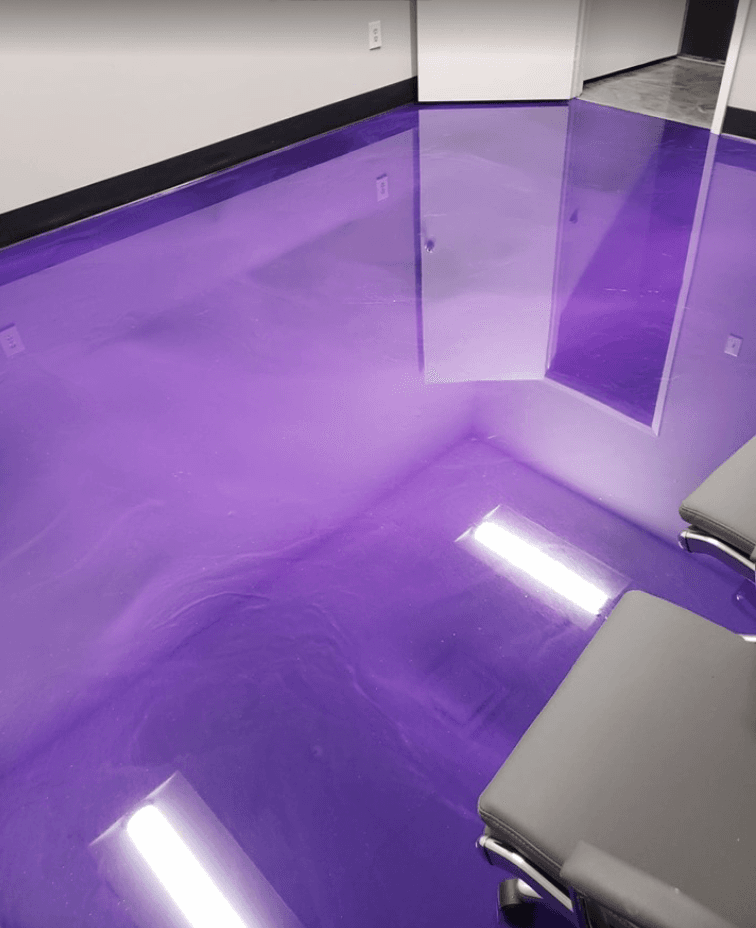
What Des Moines Homeowners Are Paying for Metallic Epoxy
If you have priced a metallic epoxy garage floor in Iowa lately, you have probably seen quotes that range from confusingly low to surprisingly high. Most Des Moines and Clive homeowners pay $5 to $10 per square foot installed, depending on the system, the contractor, and the condition of the concrete. A standard two-car garage runs about 480 square feet, so that puts the total project cost between $2,400 and $4,800.
That spread is wide. The reason is that metallic epoxy is not a single product. It is a layered coating system, and every layer adds time, materials, and skill. Understanding what you are buying helps you evaluate quotes, whether you are a homeowner hiring out the work or a contractor trying to price jobs in the Des Moines metro.
Why Metallic Epoxy Costs More Than Standard Gray Epoxy
Basic solid-color epoxy coatings use a simple two-coat system. Metallic epoxy adds complexity at every step.
- The metallic pigment itself costs more. Metallic powder and the carrier epoxy that holds it run significantly higher per gallon than a standard color pack.
- Application takes more skill. Installers use a combination of squeegees, rollers, and sometimes propane torches to move the pigment and create swirling, three-dimensional patterns. That technique takes practice.
- A topcoat is non-negotiable. Metallic epoxy is not hard enough on its own to handle vehicle traffic. A polyaspartic or urethane topcoat is required. That adds material cost and another step.
- Surface prep is still the biggest variable. A garage floor with old paint, cracks, or grease stains takes longer to prepare. Prep time directly drives price.
When a quote comes in under $3 per square foot for a metallic system, ask what the contractor is skipping. It is usually prep.
The Material Layers in a Metallic Epoxy System
Here is what a properly installed metallic epoxy garage floor includes, in order.
1. Surface preparation Concrete is ground or shot-blasted to open the pores and create a profile the coating can grip. Without this step, the floor will peel. This is where most DIY projects fail and where experienced contractors charge the most.
2. Primer or base coat A clear or tinted epoxy primer seals the slab and eliminates moisture vapor transmission. In Iowa, where basements and garages see real freeze-thaw cycles, this layer matters. Skipping it is how you get bubbles in June.
3. Metallic epoxy broadcast coat This is the decorative layer. The installer mixes metallic powder into a clear epoxy base, pours it, and manipulates it with tools and sometimes a heat source to create movement and depth. Colors like silver, charcoal, ocean blue, and copper are the most popular in central Iowa right now.
4. Clear polyaspartic or urethane topcoat The topcoat protects the metallic layer from tire marks, UV light, hot tire pickup, and chemical spills. A good topcoat is what makes a metallic floor last 10 to 15 years instead of two or three.
What Contractors in Iowa Are Charging Per Layer
Breaking down the price by layer helps you build accurate quotes if you are a contractor, and helps homeowners understand what they are paying for.
| Layer | Typical material cost per sq ft | Time per 480 sq ft garage | |---|---|---| | Prep (grinding) | $0.40 to $0.70 | 2 to 4 hours | | Primer | $0.30 to $0.50 | 1 hour | | Metallic coat | $0.80 to $1.50 | 2 to 3 hours | | Polyaspartic topcoat | $0.50 to $0.90 | 1 to 2 hours |
Labor in the Des Moines and Ankeny area typically runs $1.50 to $3.00 per square foot on top of materials. Contractors running lean with good systems can stay closer to the low end and still earn well.
How to Install a Metallic Epoxy Garage Floor: Step by Step
This is not a one-afternoon project. A proper installation takes two days minimum, sometimes three if the slab has issues. Here is the process that professionals follow.
Day one: prep and prime
1. Clear the garage completely and check moisture levels with a calcium chloride test or a simple plastic sheet tape test. High moisture means you need a moisture-tolerant primer. 2. Grind the entire slab with a diamond grinder. A 30 to 50 grit diamond is common for garage concrete. You want a surface profile between CSP 2 and CSP 3. 3. Vacuum thoroughly. Dust is the enemy of adhesion. 4. Fill cracks and control joints with a semi-rigid polyurea filler. Let it cure. 5. Mix and apply the primer. Roll it at the recommended spread rate. Most primers need four to six hours of cure time before the next coat.
Day two: metallic coat and topcoat
1. Mix your metallic epoxy according to the manufacturer's ratio. Measure by weight, not by eye. 2. Add metallic powder. Stir slowly to avoid introducing air bubbles. 3. Pour the mix onto the floor in ribbons. Use a notched squeegee to spread it, then a roller to even it out. 4. Use a propane torch or heat gun to move the metallic pigment and create the swirling effect. Work in small sections and move quickly. The window is tight. 5. Let the metallic coat flash off. Timing depends on temperature and humidity. In an Iowa July, that can be faster than expected. 6. Apply the polyaspartic or urethane topcoat. Roll it in two thin coats, perpendicular to each other. 7. Allow to cure fully before moving vehicles back in. Most polyaspartic topcoats allow light foot traffic in two to four hours and vehicle traffic in 24 hours.
What Can Go Wrong and How to Avoid It
Metallic epoxy punishes mistakes more visibly than any other coating system. The most common problems and their causes:
- Bubbles in the metallic layer. Usually caused by outgassing from improperly prepped or wet concrete, or by mixing too aggressively.
- Delamination at the edges. Missed adhesion at cut lines, often because the grinder did not get close enough to the walls.
- Blotchy or muddy metallic effect. Too much or too little torch work. This is the part that requires real practice before you do it on a paying customer's floor.
- Peeling within a year. Almost always a moisture problem that proper prep and testing would have caught.
The technique for controlling the metallic layer is the hardest part of this system to learn on your own. Most experienced metallic installers say they ruined at least two or three floors before they found their rhythm.
How Metallic Epoxy Training Helps You Get It Right Faster
The fastest way to skip the expensive learning curve on metallic epoxy is to get hands-on metallic epoxy training before you book your first job. Watching YouTube videos teaches you the vocabulary. Actually rolling, torching, and troweling the product on real concrete teaches you the timing, the feel, and what to do when something goes sideways.
At XPS Xpress in Clive, our 3-day epoxy flooring class covers metallic systems in real conditions, on real concrete, with real equipment. Students walk away having installed an actual floor, not having watched someone else do it. We also cover pricing and business setup so you know what to charge when you get home to Urbandale, West Des Moines, or wherever you are working.
If you are a homeowner who wants to understand the process before hiring a contractor, that knowledge matters too. Knowing what prep looks like makes it easier to spot who is cutting corners.
Get the free First Floor Playbook to see the material list, step-by-step process, and pricing worksheet we give every student before class.
What to Do Next
If you are a contractor ready to add metallic epoxy to your service menu, start by pricing out the materials for a two-car garage and compare that against what installers in Ankeny and Des Moines are charging. The margin is real.
If you want to install your first metallic epoxy floor with confidence, get into a hands-on class before you book the job. One mistake on a metallic system can cost more than the class itself.
Get the free First Floor Playbook and see if the 3-day class fits your schedule.
FAQ
How long does a metallic epoxy garage floor last in Iowa?
A properly installed metallic epoxy floor with a polyaspartic topcoat typically lasts 10 to 15 years in a residential garage. Iowa's freeze-thaw cycles do not affect the coating once it is bonded to properly prepped concrete. The surface prep and topcoat quality are the biggest factors in long-term durability.
Can I install metallic epoxy myself as a homeowner?
Technically yes, but most DIY metallic epoxy projects do not turn out the way the product photos suggest. The metallic effect requires hands-on practice with the torch work and squeegee technique. Without training, the most common results are muddy patterns, bubbles, and edges that peel within a year. Hiring a trained installer or getting hands-on metallic epoxy training first is a much safer path.
How do I find a good metallic epoxy contractor in the Des Moines area?
Ask any potential contractor to show you at least three completed metallic floors they have installed. Ask specifically what prep method they use and whether they do a moisture test before applying coatings. A contractor who cannot answer those questions clearly is likely skipping steps. Checking Google reviews for before-and-after photos in the Des Moines, Clive, and West Des Moines area is also a reliable starting point.